
How product design, positioning, retail experience and identity helped Apple build one of the world's most valuable brands – and what other businesses can learn from its success.
There are very few businesses in the world whose products inspire the same level of anticipation, loyalty and emotional attachment as Apple.
When Apple launches a new iPhone, people queue outside its stores. When it announces a new product, millions of people around the world pay attention. Its customers don't simply buy technology; they buy into an experience, a philosophy and, in many cases, an identity.
But how did a computer company become one of the most recognisable and valuable brands in the world?
The answer is about much more than innovative products or clever advertising. Apple understood something fundamental about branding: people don't just buy what a product does. They buy what it represents, how it makes them feel and what owning it says about them.
Apple's success is a masterclass in building a brand that creates desire rather than simply competing on product features.
For businesses looking to develop, reposition or protect their own brands, there are some important lessons to take from Apple's journey.
A Different Way of Thinking
When Apple was founded in 1976, the personal computer market was still developing. Technology companies largely competed on processing power, technical specifications and functionality.
Apple took a different approach.
Under the influence of Steve Jobs, the business increasingly focused on making technology accessible, intuitive and desirable. Rather than expecting customers to understand the technology, Apple wanted the technology to work around the customer.
This was an important positioning decision.
Apple wasn't simply selling computers. It was selling the possibility of doing things differently.
The famous 1984 Macintosh launch campaign helped establish this distinction. Its message positioned Apple as the challenger to conformity, celebrating individuality, creativity and independent thinking.
That idea would become central to the brand.
The branding lesson: Strong positioning is about establishing what makes you different in the mind of your audience. It is not enough to describe what you sell. You need to communicate why you exist, what you believe and why customers should care.
Product Design Became Part of the Brand Identity
Apple's products have always played a significant role in communicating its brand.
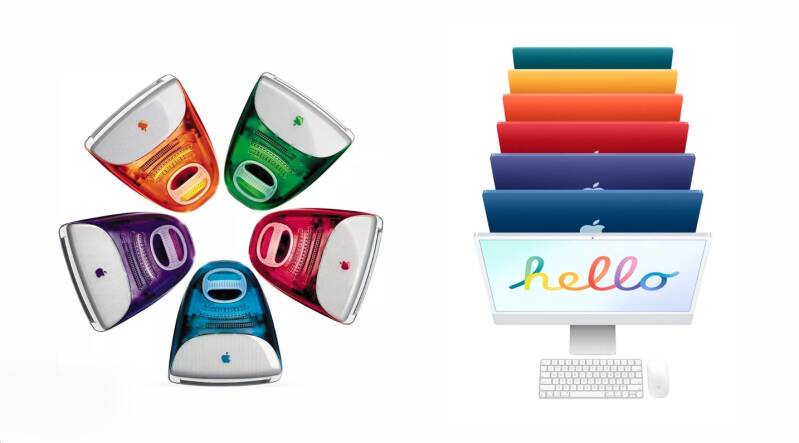
From the colourful original iMac G3 to the clean, minimalist design language of the iPhone and MacBook, Apple has consistently understood that the product itself is one of its most powerful branding tools.
Its design philosophy prioritises simplicity, clarity and usability.
Buttons, interfaces, packaging, materials and proportions all contribute to an overall impression. Even the smallest details are considered part of the experience.
This creates something particularly valuable: consistency.
Customers recognise an Apple product not just because of the logo, but because of the way it looks, feels and works.
The product becomes a physical expression of the brand promise.
This is an important distinction. Branding is often mistakenly viewed as something that sits on top of a product – a logo, a colour scheme or a visual identity.
Apple demonstrates that branding should influence the product itself.
The branding lesson: Every customer touchpoint communicates something about your business. Your products, services, packaging, website, documentation and customer experience should all reinforce the same brand values.
Apple Sold an Aspiration, Not Just a Specification
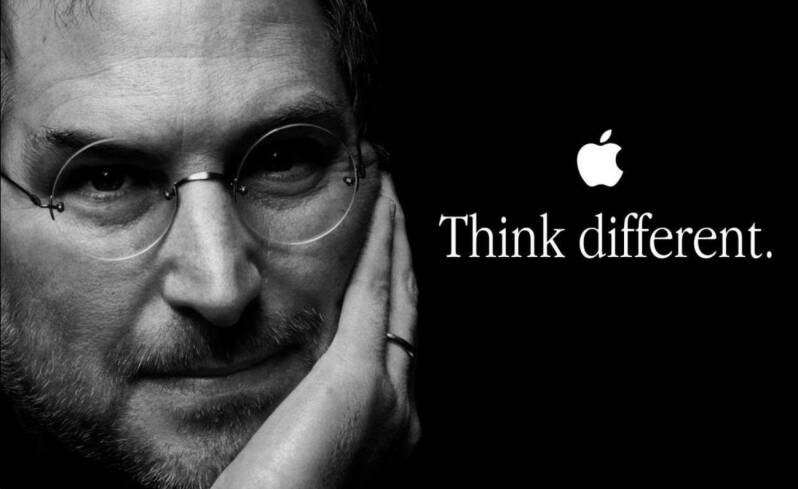
One of Apple's most influential branding campaigns was Think Different, launched in 1997.
At the time, Apple needed to re-establish its identity and reconnect with its audience. Rather than focusing on product specifications, the campaign celebrated individuals who challenged convention and changed the world.
The message was simple: Apple was for people who thought differently.
It was an incredibly powerful positioning strategy because it gave customers something to identify with.
Buying an Apple product became associated with creativity, individuality, innovation and ambition.
The company wasn't simply asking customers to compare computers. It was inviting them to associate themselves with a particular mindset.
This is where branding moves beyond rational purchasing decisions.
Two products might perform similar functions, but customers can develop a stronger emotional preference for one because of what its brand represents.
Apple understood that emotional value can be just as important as functional value.
The branding lesson: Your brand should stand for something beyond the products or services you sell. When customers connect with your beliefs, values and personality, you create relationships that are much harder for competitors to replicate.
The Retail Experience Became Part of the Brand
Apple didn't stop at creating desirable products and advertising campaigns. It extended its brand into the physical retail environment.
Its stores are instantly recognisable. Open spaces, carefully presented products, minimalist interiors and knowledgeable staff all contribute to an experience that feels consistent with the products themselves.
Importantly, Apple stores are not simply places to purchase technology.
They are places where customers can explore, experiment, learn and experience the brand.
The physical environment reinforces the same values communicated through its products and marketing: simplicity, quality, confidence and attention to detail.
This is a powerful example of brand consistency in practice.
A business can invest heavily in a beautifully designed logo and website, but if its customer service, sales process or physical environment contradicts that identity, the brand becomes less convincing.
Apple has worked hard to ensure that the experience matches the promise.
The branding lesson: Your brand exists wherever a customer encounters your business. Every interaction either strengthens or weakens the perception you are trying to create.
A Simple Identity With Extraordinary Recognition
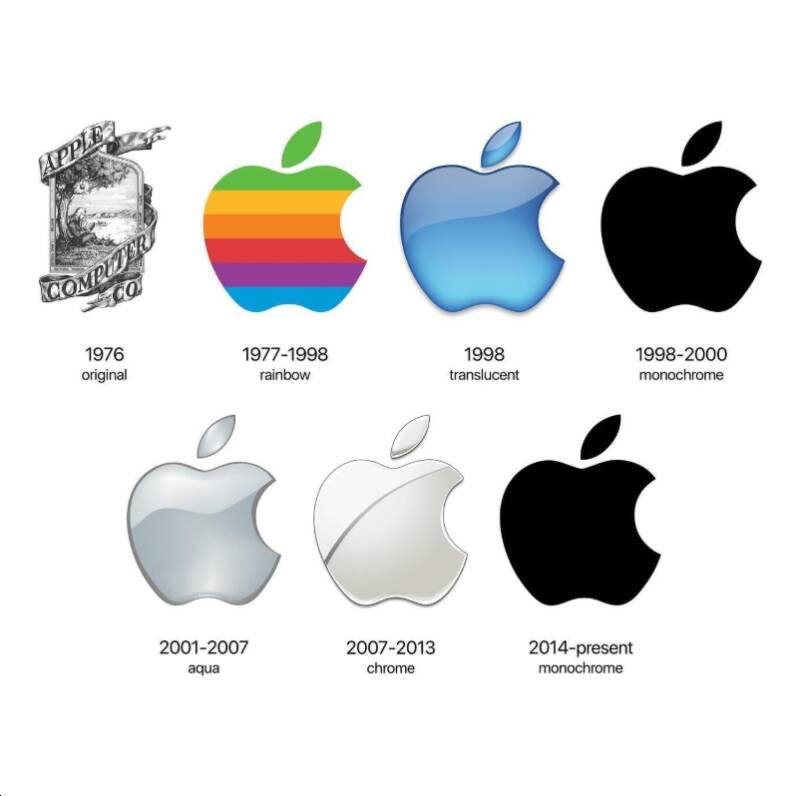
Few visual identities are as recognisable as Apple's bitten apple.
Its simplicity is one of its greatest strengths.
It works across products, packaging, advertising, digital platforms, retail environments and international markets. It is distinctive without needing to explain itself.
But the important point is that the logo didn't create Apple's reputation on its own.
Its meaning has been built through decades of consistent product development, marketing, customer experience and brand communication.
The logo has become a symbol of everything people associate with the business.
This is something businesses often misunderstand when considering a rebrand.
A new logo can help refresh a business, improve recognition or signal a change in direction. But it cannot independently create trust, reputation or commercial value.
Those things need to be earned.
Apple's identity is powerful because the business has continually reinforced what the symbol represents.
The branding lesson: A logo is an identifier, not a complete brand. Its real value comes from the reputation, meaning and associations that customers attach to it.
Consistency Created Trust and Brand Loyalty
One of Apple's greatest achievements has been creating an interconnected family of products and services that work together.
An iPhone, MacBook, iPad, Apple Watch and AirPods are not simply individual purchases. They form part of an ecosystem.
Once customers own one product, the experience of using another often becomes more attractive. Familiar interfaces, connected services and consistent design make the transition feel natural.
This creates a powerful commercial advantage.
The brand becomes more than the sum of its products. It becomes an environment that customers are comfortable operating within.
Consistency also builds confidence. Customers know broadly what to expect from Apple, whether they are buying a new device, visiting a store or using one of its services.
That familiarity is valuable.
It reduces uncertainty, reinforces trust and helps create long-term customer relationships.
The branding lesson: A successful brand needs consistency across everything it does. Customers should recognise the same values, standards and personality wherever they encounter your business.
Apple Turned Brand Recognition into Commercial Value
Apple's brand is now an extraordinary commercial asset.
Its ability to command premium prices, maintain customer loyalty and generate demand is not simply the result of manufacturing excellent products.
It reflects decades of investment in brand positioning, design, innovation, marketing and customer experience.
Consider what happens when customers compare products.
They might look at technical specifications, performance, battery life and price. But they also consider reputation, perceived quality, reliability, status and the confidence associated with the name.
These perceptions influence purchasing decisions.
They also influence how much customers are prepared to pay.
This is one of the most important aspects of brand value: a strong brand can create commercial advantages that extend beyond the physical or functional value of what a business sells.
Apple has demonstrated that a brand can become a significant source of competitive advantage.
However, this value needs to be continually maintained. Reputation can be damaged, competitors can catch up and customer expectations can change.
A brand is an asset that needs ongoing attention, investment and protection.
The branding lesson: Your brand has the potential to be one of your most valuable business assets. But if you cannot define it, manage it, measure it and protect it, you may be leaving significant commercial value exposed.
What Can Other Businesses Learn From Apple?
Apple operates on a global scale, with resources and influence that most businesses could never hope to replicate. But the principles behind its branding success are relevant to organisations of every size.
You don't need to be Apple to build a valuable brand. You need to understand what makes your business distinctive and ensure that everything you do reinforces that difference.
Here are seven principles worth taking away:
-
Know your positioning. Be clear about what makes your business different and why customers should choose you.
-
Build meaning into your identity. Your visual identity should communicate something about your business, not simply look attractive.
-
Create an experience. Consider every interaction customers have with your business, not just your advertising.
-
Be consistent. Ensure your messaging, visual identity, products and customer service work together.
-
Build emotional connections. People remember how a business makes them feel, not just what it sells.
-
Think commercially. Your brand should support your business objectives, strengthen customer relationships and contribute to growth.
-
Protect what you own. Your name, logo, distinctive assets and intellectual property are valuable elements of your business and deserve proper protection.
The Bigger Lesson: Branding Is a Business Asset, Not Just a Marketing Exercise
Perhaps the most important lesson from Apple is that branding is not something you do once, sign off and forget about.
It is an ongoing business discipline.
Apple's success has come from aligning its positioning, products, identity, marketing, customer experience and commercial strategy around a recognisable set of values.
Everything works together.
This is where many businesses miss an opportunity.
They invest in a logo, commission a website, produce marketing materials and establish a social media presence, but never fully consider the bigger picture.
What does the brand stand for?
Is it distinctive in its marketplace?
Does it communicate the right value?
Is the business delivering the experience the brand promises?
And perhaps just as importantly, does the business actually own and control the brand assets it has invested in creating?
At Think Brands, we believe great branding is about more than being seen. It is about being remembered, building trust and helping businesses grow.
But we also believe that a brand should be understood as a valuable business asset – one that needs to be developed strategically, managed professionally and protected properly.
Apple demonstrates what can happen when a business gets branding right.
The question is: what could a stronger, better-managed and properly protected brand do for your business?
How Think Brands Can Help
At Think Brands, we help businesses develop brands that do more than look good.
We bring together brand strategy, creative thinking, brand development and brand expertise to help businesses establish their position, communicate their value and build lasting commercial advantage.
We also help businesses understand and protect their brand ownership, intellectual property and the assets they have invested in creating.
Whether you are developing a new brand, considering a rebrand, reviewing your existing brand or looking to establish greater control over your intellectual property, we can help.
Your brand is one of your most valuable business assets. Make sure you're getting the most from it – and that you own what you've built.
THINK BRANDS
Think strategically. Create distinctively. Protect what you own.
Call us on 01202 983520 for a chat or start the conversation via email team@thinkbrands.co.uk
Further reading and historical references: